World · Geopolitics · AI
U.N. Seeks Relevance as U.S. and China Race Ahead in AI
U.N. Seeks Relevance as U.S. and China Surge Ahead
U.N. Seeks Relevance as U.S. and China Surge Ahead
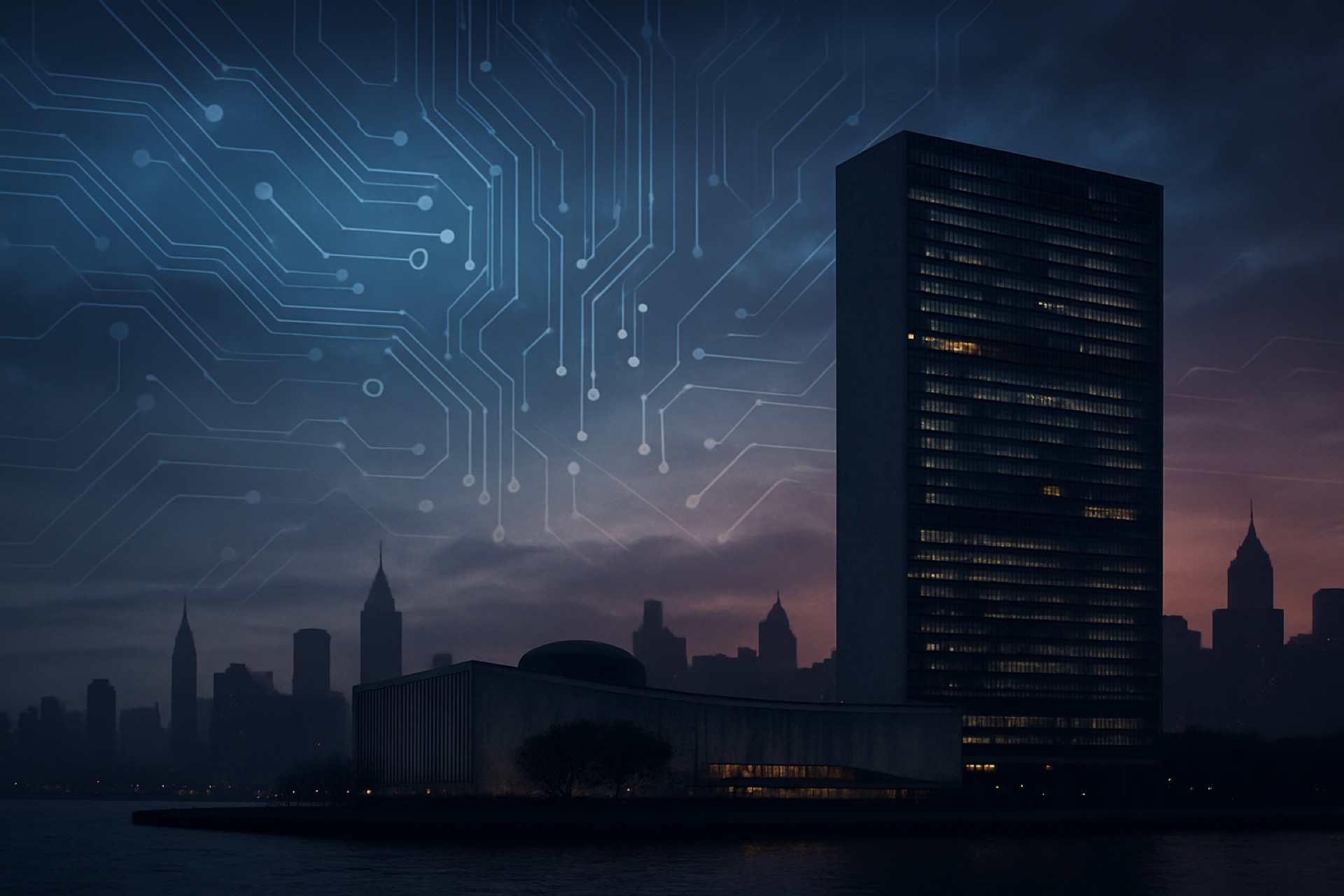
The United Nations is trying to maintain influence over the global governance of artificial intelligence even as the United States and China accelerate competing approaches to the technology, a dynamic that could determine international rules, standards and the balance of power.
The issue has become a focal point for policymakers because the pace of technological development and national strategies are outstripping multilateral efforts. The U.N. — traditionally a forum for international coordination — faces pressure to offer relevant frameworks while member states pursue their own paths.
Experts and diplomats, as reported by outlets covering the story, say that when leading powers move quickly to set domestic standards, they can shape global norms by default. That makes the stakes high for any organization aiming to craft inclusive international rules.
The challenges are practical as well as political. Multilateral institutions often move slowly; consensus-based processes can lag behind fast-evolving technology and competitive national agendas. For the U.N., remaining a credible venue for AI governance means demonstrating agility without sacrificing legitimacy.
If the U.S. and China continue to push forward with divergent strategies, the world may see competing regulatory models, fragmented standards and fresh geopolitical tensions tied to technology leadership. Conversely, a stronger U.N. role could help align countries around shared principles and reduce conflict over norms.
Policymakers face a choice: strengthen global coordination through existing international forums, or accept a future shaped primarily by the policies of the most powerful states. The outcome will influence who sets the rules for AI deployment, safety, and cross-border interoperability.
Stakeholders — from governments to civil society and industry — should watch U.N. developments closely and engage where possible to ensure that international standards reflect a broad range of interests. For more on this evolving story, see the reporting at The New York Times:
Industry and researchers will watch whether the U.N. can convene diverse voices and translate broad principles into mechanisms that actually affect product design, safety testing and cross-border data practices. Practical measures could include shared technical standards, transparency expectations, and forums for dispute resolution — all requiring sustained engagement from rich and poor countries alike.
Ultimately, the U.N.'s ability to stay relevant will depend on its capacity to adapt to a technologically driven competition among major powers, and on whether member states are willing to back a collective approach to governance rather than default to unilateral or bilateral rules.
As organisations navigate AI change, Nuvostella helps teams put practical AI systems to work — from generative tools and agents to automation built for real business processes.
Resources & links
Build with Nuvostella
Explore Generative Studio or talk with us about voice AI, agents, and automation for your business.