World · AI Security · News
Trump unveils 'AI Force', suggests 'supreme intelligence' as new name for AI
Trump unveils 'AI Force', suggests 'supreme intelligence' as new name for AI
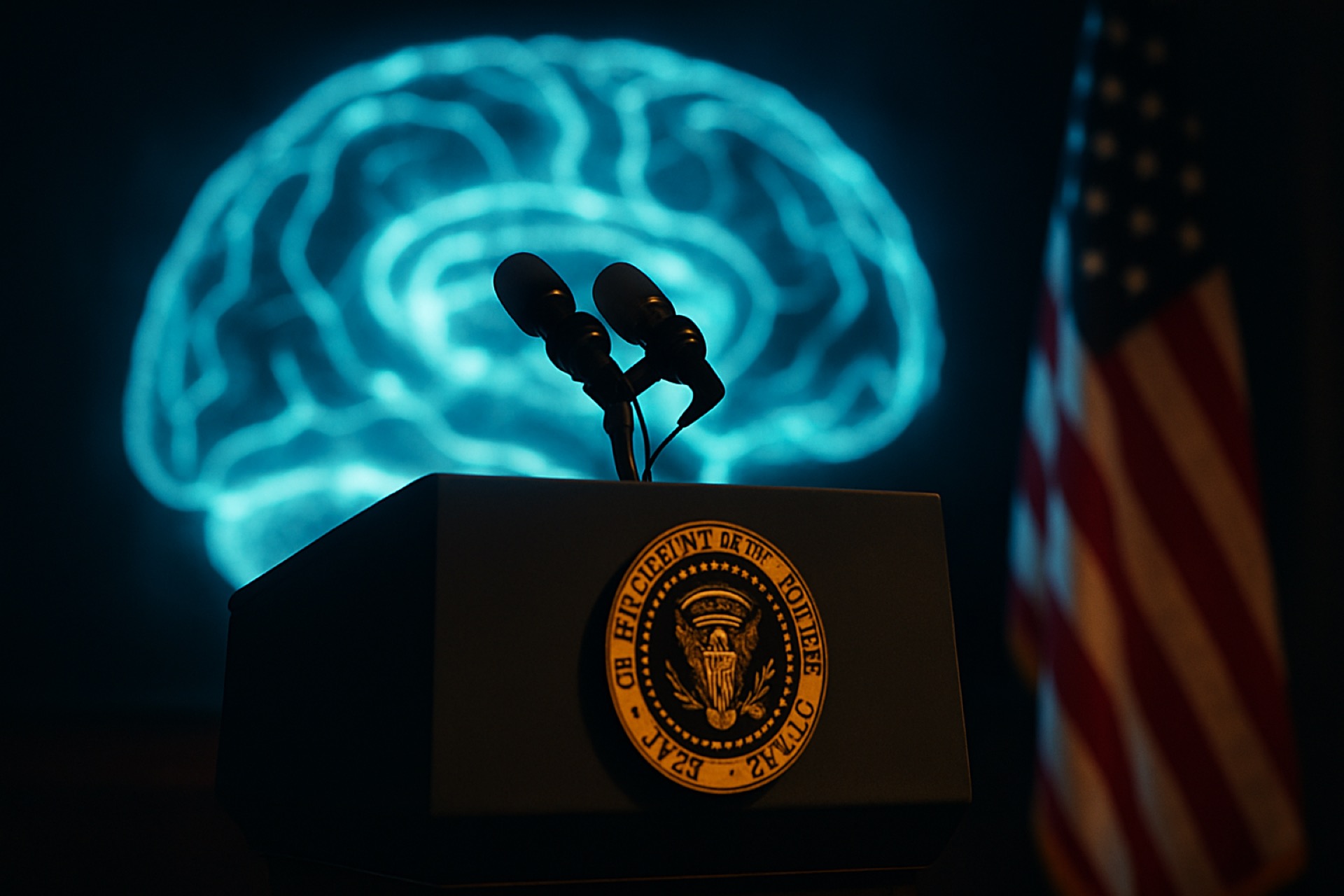
Former president Donald Trump has proposed creating a national 'AI Force' and floated the term 'supreme intelligence' as an alternative name for artificial intelligence. Reported by Malay Mail, the announcement frames AI as a central issue for national policy and signals plans to designate a senior official to oversee AI matters.
The pledge to form an 'AI Force' and to appoint an AI czar suggests a potential shift in U.S. strategy on AI governance, regulation and national security. Media coverage describes the proposals as elevating AI within federal priorities, though detailed plans, official mandates and timelines were not specified in that reporting.
An 'AI Force' in concept could serve as a coordinating body to align research funding, set priorities for safe deployment and help standardize procurement across civilian and defense agencies. Centralized coordination often aims to reduce duplication, speed decision-making and ensure consistent review of emerging AI capabilities — objectives that proponents of stronger federal engagement with AI frequently cite.
The suggested rebrand to 'supreme intelligence' is notable for its symbolic weight. A name change could alter public and political conversations about AI — emphasizing power and strategic importance — and may intensify debates about transparency, accountability and the ethical limits of automated systems.
Elevated policy focus: A dedicated 'AI Force' would centralize attention on AI across government agencies.
Regulatory implications: New structures could change how AI tools and services are overseen.
National security considerations: Framing AI within security contexts may alter procurement and research priorities.
International impact: U.S. posture on AI can influence global norms and cross-border cooperation.
Leadership role: Naming an AI czar would create a single point of coordination for AI policy.
If enacted, these moves could reshape domestic debates over oversight, competition, workforce planning and public safety in AI. They may also affect how the United States engages with allies and competitors on standards, testing and responsible deployment of advanced AI systems.
This development is recent and widely resonant among policymakers and industry observers because it touches governance, economic competitiveness and national security. We will monitor further announcements and policy details as they emerge.
As organisations navigate AI change, Nuvostella helps teams put practical AI systems to work — from generative tools and agents to automation built for real business processes.
Resources & links
Build with Nuvostella
Explore Generative Studio or talk with us about voice AI, agents, and automation for your business.