World · Geopolitics · AI
NVIDIA vs. SK Hynix: Which AI Chip Stock Is Better?
NVIDIA vs. SK Hynix: Which AI Chip Stock Is Better?
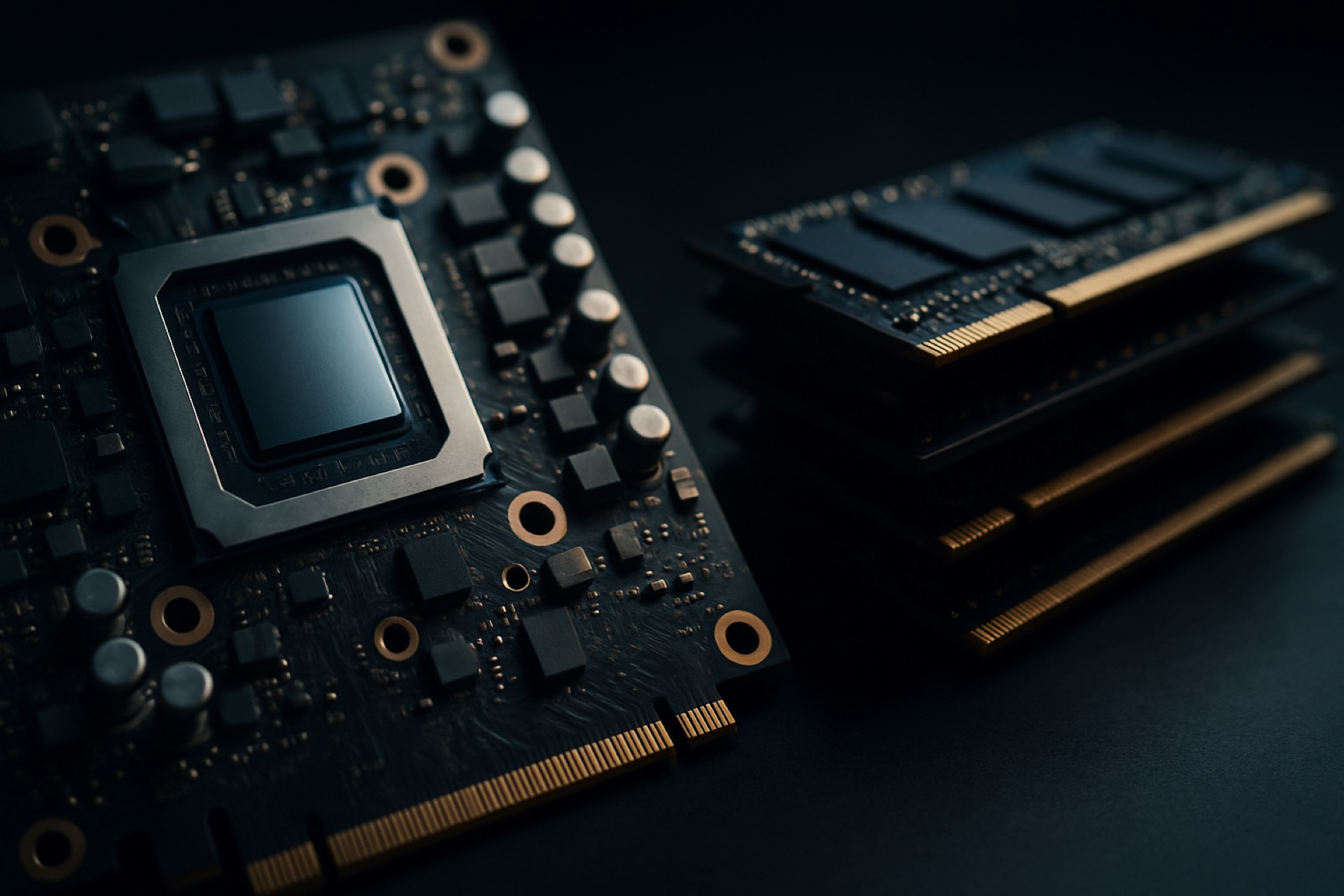
Investors are comparing two major semiconductor names as artificial intelligence expands across industries: NVIDIA, known for its graphics processing units (GPUs) that drive AI inference, and SK Hynix, a leading memory supplier whose chips are essential to AI systems. A recent Motley Fool analysis lays out how these different hardware roles translate into distinct investment opportunities and risks.
The core contrast is straightforward. NVIDIA’s GPUs are central to running AI models in real world applications because they accelerate the computations involved in inference. SK Hynix provides dynamic and high-bandwidth memory that systems require to store and move the large volumes of data AI models use. That means each company participates in the AI value chain in complementary ways.
For investors, the differences matter. Exposure to GPU demand connects a company to the growth of data centers, cloud inference services, and edge deployments that rely on fast model execution. Memory suppliers are sensitive to the overall capacity and throughput requirements of customers building AI infrastructure. Market cycles, customer concentration, and supply chain dynamics will therefore influence returns for each stock.
The Motley Fool piece emphasizes that hardware winners will help shape how and where AI is deployed, and that choices among component makers can affect supply chains across the industry. Neither role is inherently superior; instead, investors should weigh strategic positioning, product road maps, and how revenue correlates with AI adoption.
Readers looking to evaluate which stock better fits their goals can review the full Motley Fool analysis for context and deeper comparison. The article serves as a useful starting point for anyone assessing semiconductor plays tied to the AI boom.
Long-term performance will depend on how AI demand evolves across industries, how each company executes on product road maps, and how global supply constraints and policy shifts affect availability of chips and memory. Keeping an eye on partnerships with cloud providers, enterprise customers, and system integrators can offer clues about future revenue trajectories.
Why it matters
- Understand exposure to AI inference vs. memory demand
- Assess customer base and contract strength
- Consider capital intensity and supply chain risks
- Compare valuation relative to AI growth prospects
- Monitor industry partnerships and ecosystem support
As organisations navigate AI change, Nuvostella helps teams put practical AI systems to work — from generative tools and agents to automation built for real business processes.
Resources & links
Build with Nuvostella
Explore Generative Studio or talk with us about voice AI, agents, and automation for your business.