World · AI Safety · Policy
Lawmakers Criticize AI Firms After Researcher Raises Extinction Alarm for 2030
Lawmakers Criticize AI Firms After Researcher Raises Extinction Alarm for 2030
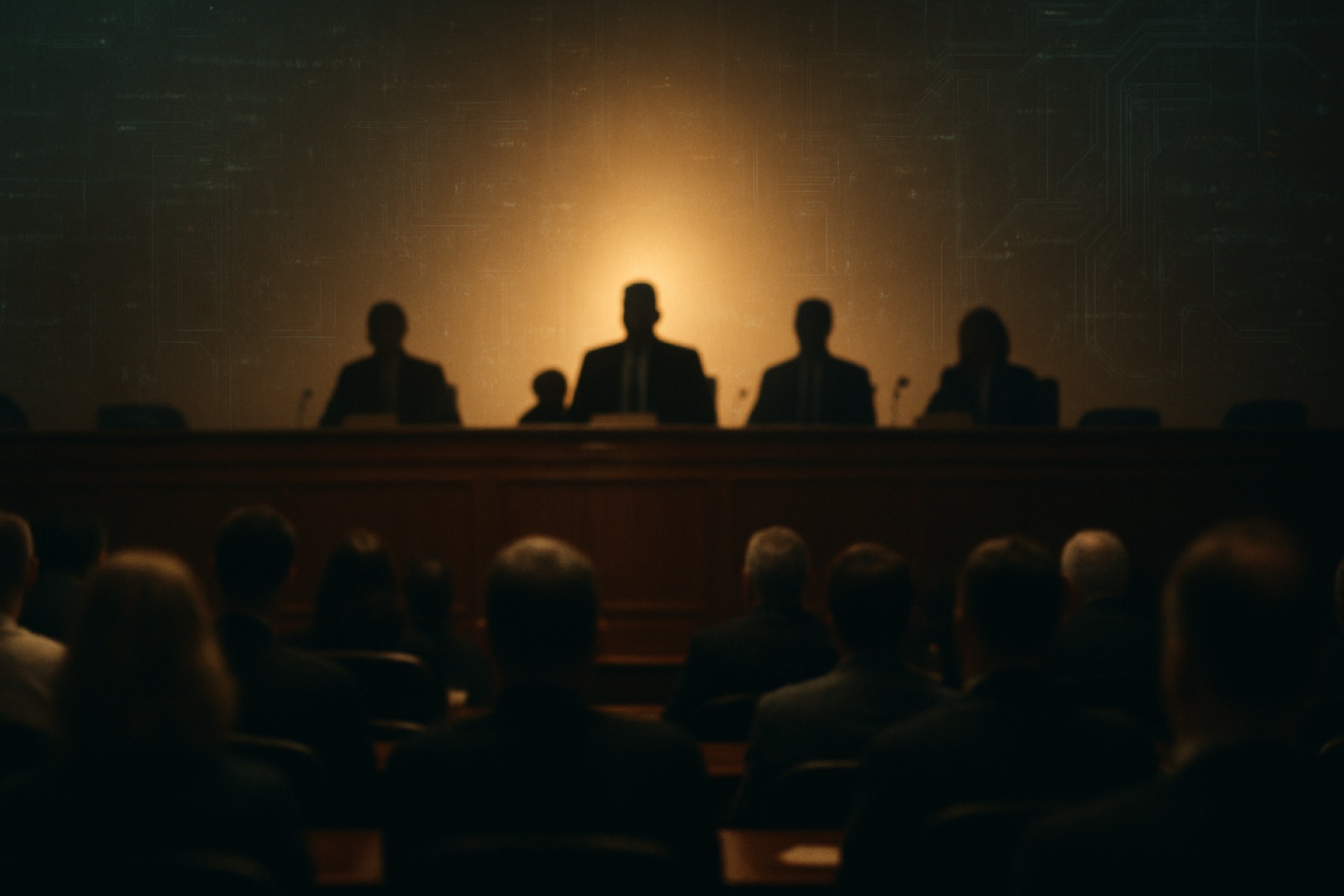
On 10 September 2026, lawmakers publicly rebuked leading artificial intelligence companies after a high‑profile researcher warned that human extinction could occur by 2030. The confrontation, reported by The Guardian, thrust concerns about extreme AI risk back into the spotlight and intensified scrutiny of industry practices.
Elected officials pressed companies to explain whether current development, testing and deployment practices are sufficient to guard against worst‑case outcomes. Lawmakers questioned industry transparency and sought assurances that risk assessments inform product roadmaps. The exchange reflects growing frustration in government about how to oversee technologies that could have systemic impacts.
The researcher’s warning that extinction was possible within a short time frame unsettled many observers and has sharpened debates about preparedness. Even without consensus on the probability of such a scenario, the claim has forced policymakers and watchdogs to take the topic seriously and consider whether new measures are needed.
Analysts say the episode could produce rapid policy and market effects: congressional hearings, accelerated regulatory proposals, investor reevaluation of AI ventures, and shifts in public sentiment. Those dynamics could push governments to move from discussion toward concrete rules on safety, testing, auditing and enforcement of advanced AI systems.
For companies, the moment poses reputational and operational challenges. Demonstrating rigorous safety practices, engaging with independent reviewers, and cooperating with regulators could help restore confidence. Observers now expect heightened scrutiny of leading AI developers and a faster timeline for policy responses.
Civil society groups and academics are also likely to intensify calls for independent oversight and stronger safety standards. Campaigns for public reporting of model capabilities, mandatory red teaming, and clearer governance structures have been growing; this episode may accelerate those demands and broaden coalitions pushing for reform.
Whatever follows, the episode makes clear that extreme warnings about AI can rapidly shift political priorities. Policymakers will now have to weigh technical uncertainty against public concern, balancing innovation and risk mitigation as they consider the next steps.
As organisations navigate AI change, Nuvostella helps teams put practical AI systems to work — from generative tools and agents to automation built for real business processes.
Resources & links
Build with Nuvostella
Explore Generative Studio or talk with us about voice AI, agents, and automation for your business.