World · AI Music · Policy
Australia bans fully AI-created music from charts and awards
Fully machine-made tracks excluded from charts and award eligibility
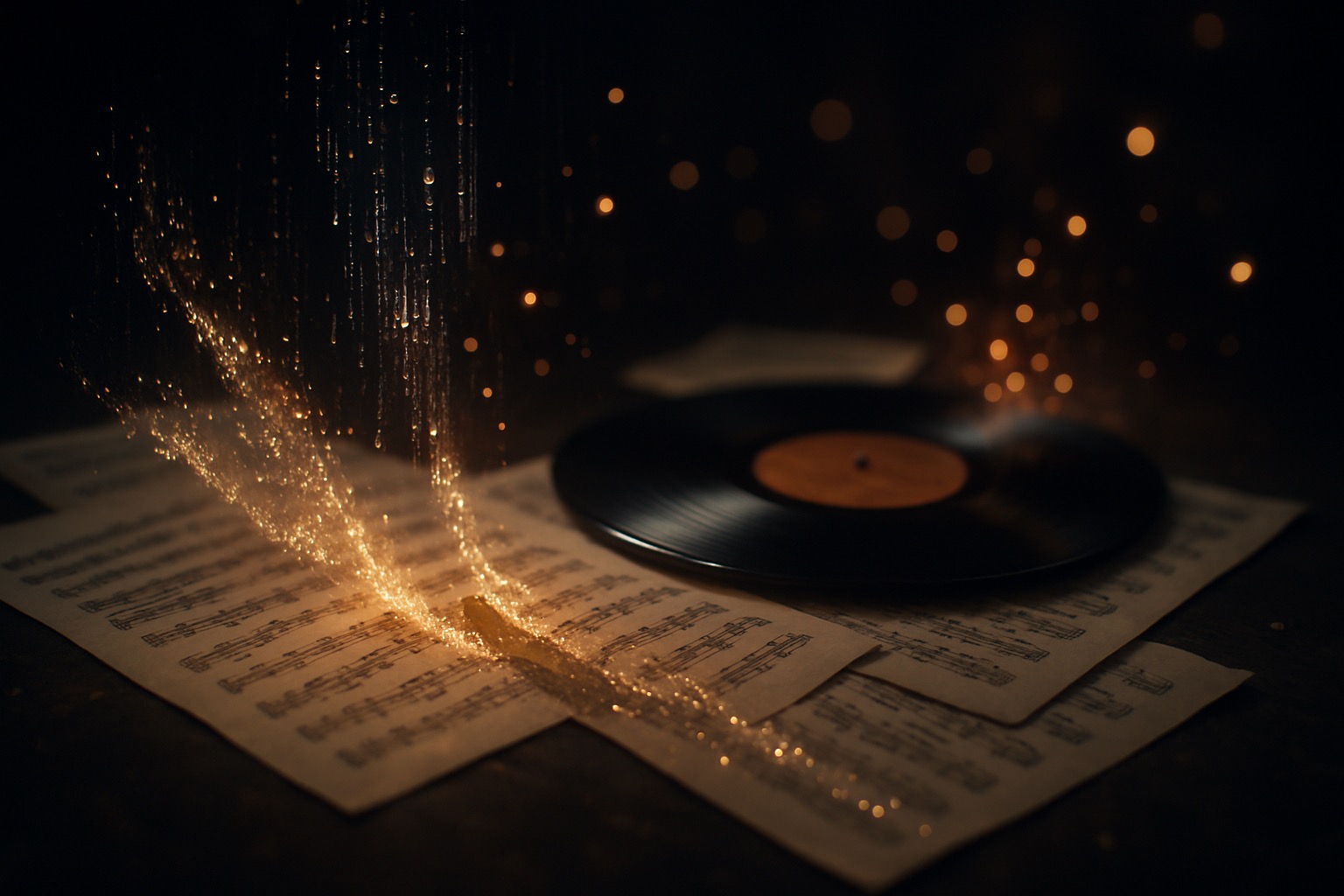
Australia has banned music made entirely by artificial intelligence from appearing on official charts and from eligibility for awards, according to a report by KXAN Austin published on August 26, 2026. The move removes tracks created solely by AI from chart consideration and award contention and represents one of the clearest national policy responses yet to the rise of machine-generated art.
Industry participants and rights holders are expected to feel immediate effects. By excluding fully AI-created recordings from official recognition, the policy changes the commercial calculus for streaming platforms, labels and independent creators. Artists who rely on human performance and production are protected from direct competition with tracks produced entirely by algorithms, while platforms and distributors must adapt their submission and verification processes.
Beyond market impacts, the ban has symbolic weight: it sets an international precedent for how a jurisdiction can treat AI-generated art. Other countries and chart authorities may study Australia’s approach as they decide whether to adopt similar rules, or to pursue alternative frameworks that address hybrid works and partial human involvement.
The decision also sharpens long-standing debates over attribution, intellectual property and enforcement. Questions remain about how regulators will define 'entirely' machine-generated material, who bears responsibility for verification, and how rights and royalties should be allocated when humans and machines collaborate on a track.
Although details on enforcement and implementation remain to be reported, the announcement is likely to accelerate policy discussions and legal scrutiny around creative AI. Stakeholders — from musicians and labels to streaming services and policymakers — will need clearer standards for attribution, rights management and compliance as jurisdictions confront similar choices.
Rights holders and royalty systems face practical complications. Determining ownership and entitlement for music that mixes human and machine inputs can be legally and administratively complex, and the ban highlights the limits of current licensing frameworks. Collecting societies and publishers may need to update rules to handle mixed-origin works.
Verification and metadata processes will become more important. Platforms and chart compilers may have to require clearer disclosure about how a track was made, and new verification standards or audit mechanisms could be needed to enforce the ban consistently.
Australia’s decision arrives amid wider global conversations about creative AI. Observers should expect intensified legal and policy discussions as lawmakers, industry groups and creators seek definitions, practical compliance steps and fair ways to attribute and compensate human contributors in an era of increasingly capable generative models.
As organisations navigate AI change, Nuvostella helps teams put practical AI systems to work — from generative tools and agents to automation built for real business processes.
Resources & links
Build with Nuvostella
Explore Generative Studio or talk with us about voice AI, agents, and automation for your business.